

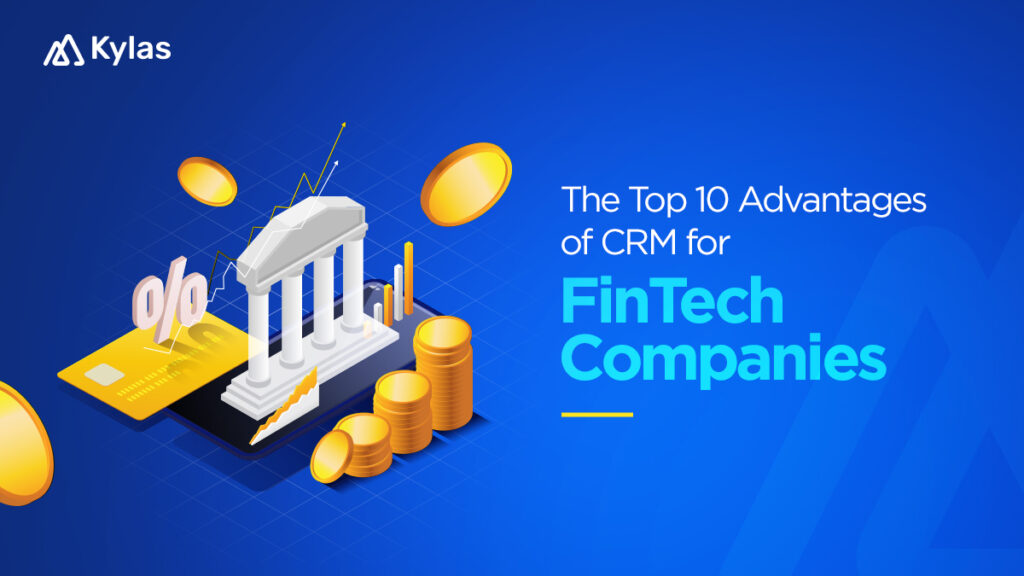
According to research by RBSA Advisors, digital payments account for 39% of India’s FinTech sector, followed by InsurTech (20%) and consumer lending (16%). In this competitive scenario, FinTech companies can leverage CRM solutions to streamline customer engagement platforms, allowing them to provide personalised financial products and services .
If you are questioning how CRM helps FinTech companies grow, this blog is your essential read.
Why FinTech Companies Need CRM
In FinTech, managing customer relationships effectively is crucial because they handle sensitive data, ensure regulatory compliance, and deliver personalised services. A Customer Relationship Management (CRM) system is essential for meeting these demands efficiently and securely.
To illustrate the impact of a CRM system, let’s compare the scenarios of having one versus not having one:
| Feature | With CRM | Without CRM |
| Data Security & Compliance | Automated, secure, and compliant. | Manual, riskier, and less compliant. |
| Onboarding | Fast, automated processes. | Slow, manual processes. |
| Segmentation & Personalization | Advanced, tailored recommendations. | Generic offerings. |
| Fraud Detection | Real-time alerts and proactive management. | Reactive, higher fraud risk. |
| Omnichannel Engagement | Unified and consistent across platforms. | Disjointed and inconsistent. |
| Financial Advice | AI-driven, personalised insights. | Generic or none. |
| Lead Management | Automated tracking and higher conversions. | Manual tracking, missed opportunities. |
| Customer Support | Real-time issue resolution. | Delayed support and potential dissatisfaction. |
| Regulatory Compliance | Automated documentation and reporting. | Manual tasks, higher risk of non-compliance. |
| Customer Retention | Targeted loyalty programs and rewards. | Generic programs, lower retention. |
How CRM Helps FinTech Companies Grow?
Imagine having a tool that not only keeps your customer data secure but also helps you understand your customers better, manage risks more effectively, and deliver tailor-made financial solutions. Those are the CRM benefits for FinTech companies.
As FinTech firms vie for attention in a crowded marketplace, a CRM isn’t just helpful; it’s essential for scaling and thriving.
1. Enhanced Data Security and Compliance
In the world of FinTech, safeguarding sensitive financial information isn’t optional, it’s mandatory. A fintech CRM system provides top-notch security features and automates compliance tasks like KYC (Know Your Customer) and AML (Anti-Money Laundering).
Think of it as a high-tech vault that ensures your data is both secure and compliant, reducing financial risks.
2. Streamlined Financial Onboarding
Onboarding a new customer can be complex. A CRM simplifies this process, making it as smooth as a click of a button. It’s like having a well-oiled machine that handles all the paperwork and verification, so your customers can start enjoying your services faster.
3. Improved Customer Segmentation and Personalization
No two customers are the same, and your financial products shouldn’t be either. CRMs allow you to segment customers based on their financial profiles and preferences, enabling you to offer highly personalised financial products. CRM integration with FinTech software, helps tailor your offers precisely to what each customer needs, from bespoke investment plans to customised loan options.
4. Automated Fraud Detection and Risk Management
Fraud is a constant threat in the financial world. A CRM equipped with advanced analytics helps you spot suspicious activities in real-time, much like having a vigilant security system that detects and alerts you to potential threats. This proactive approach to risk management ensures that your customers’ transactions remain secure.
5. Seamless Omnichannel Customer Engagement
Today’s customers interact with FinTech services across various platforms like mobile apps, websites, and more. A CRM integrates these channels into one cohesive system, ensuring that every customer touchpoint is consistent and personalised. It’s like having a unified command centre that keeps all your customer interactions in sync.
6. Data-Driven Financial Advice
Want to offer your customers financial advice that actually makes a difference? A CRM with AI-powered insights can analyse customer behaviour and suggest tailored financial strategies. Whether it’s recommending the best savings plan or identifying investment opportunities, this feature makes sure your advice is always spot-on.
7. Efficient Lead Management and Sales Growth
Managing leads in FinTech can be challenging. A CRM automates lead tracking and follow-ups, ensuring that no opportunity slips through the cracks. This means your sales team can focus on converting high-potential leads, driving revenue growth, and staying ahead of the competition.
8. Real-Time Customer Support for Financial Issues
Financial problems need quick resolutions. A CRM system equipped with real-time support tools ensures that customer issues like failed transactions or account disputes are addressed swiftly and effectively. This instant support not only resolves problems but also builds trust and loyalty.
9. Regulatory Compliance Automation
Navigating financial regulations can be daunting. A CRM helps automate the compliance process, from documentation to auditing, ensuring you stay on the right side of the law. It’s like having a compliance expert who handles the paperwork, so you can focus on growing your business.
10. Increased Customer Retention and Loyalty
In a competitive FinTech landscape, keeping customers happy is crucial. A CRM helps you implement targeted loyalty programs and personalised rewards based on customer history. It’s not just about retaining customers it’s about turning them into enthusiastic advocates for your brand.
Final Thoughts
A CRM system is more than a technological upgrade, it’s a strategic asset that can propel your FinTech company to new heights. With Kylas CRM, you gain a powerful tool for enhanced security, streamlined operations, and personalised customer engagement. Kylas also has a competitive pricing while not compromising on essential features. It might just be the best fit for your business.
Curious to know more about how Kylas can specifically benefit your FinTech operations? Get in touch.