







Top 10 SaaS CRM Software for 2025
Posted on August 4, 2024 by Kylas Admin
In 2025, businesses are increasingly relying on CRM SaaS software to streamline their customer relationship management. The right CRM can be a game changer, increase efficiency, boost sales, and give you valuable insights into customer behavior. But with so many options out there, how do you choose the best one? In this ultimate guide, we’ll look at the top 10 CRM SaaS for 2025. Let’s get started!
What is CRM SaaS?
CRM SaaS, or Software as a Service Customer Relationship Management, is cloud-based CRM solution that is accessed via the internet. Unlike traditional CRM systems that require on-premises installation, CRM SaaS gives you flexibility, scalability, and cost savings. You can access your CRM data anywhere, anytime, and get real-time updates.
Benefits of Using CRM SaaS
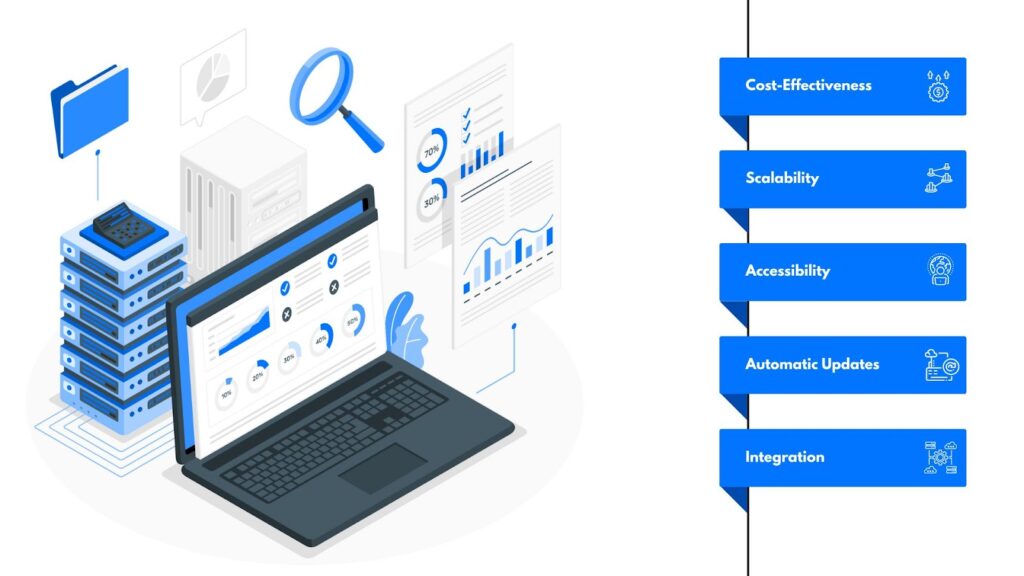
Adopting a CRM SaaS solution can revolutionize how your business handles customer relationships and internal processes. Here are some key benefits of using CRM SaaS:
- Cost-Effectiveness: CRM SaaSs are subscription-based, so there are no big upfront costs for hardware and software. So, any business can manage its budget.
- Scalability: As your business grows, CRM SaaS can scale with increased data and user load with minimal additional cost or infrastructure changes.
- Accessibility: Being cloud-based, CRM SaaS can be accessed from any device with an internet connection, facilitating remote work and real-time collaboration with teams.
- Automatic Updates: CRM SaaS providers take care of system updates and maintenance, so you always have access to the latest features and security patches without any downtime.
- Integration: These CRMs integrate with other SaaS applications and third-party tools, so overall productivity and workflow are seamless.
Top 10 SaaS CRM Software for 2025
Choosing the right CRM SaaS software can be a daunting task with so many options available. Each solution offers unique features designed to help businesses manage customer relationships more effectively. To help you make an informed decision, here’s a compiled list of the top 10 CRM SaaS software for 2024. Here’s a closer look at each one:
1. Kylas Sales CRM
Kylas Sales CRM distinguishes itself in the competitive SaaS CRM market with its affordability, user-friendly interface, and extensive feature set. Designed to support business growth, it ensures scalability without unexpected costs.
Features
- Unlimited Users: Unlike many CRM SaaS solutions, Kylas CRM has an unlimited user plan for a fixed cost. Perfect for businesses that plan to scale fast. No more rising costs as you add more users. A budget-friendly option for growing teams.
- Comprehensive Features: Robust sales automation, detailed pipeline management, and analytics. Automate repetitive tasks, track progress through custom pipelines, and gain insights from data analytics to be more efficient and make better decisions.
- Scalability: Built to grow with your business, Kylas CRM means no surprise costs as you scale. As your business grows, the CRM can handle more data and users without requiring infrastructure changes.
- Reports and Analytics: Gain actionable insights with comprehensive reports and analytics. Track sales performance, monitor team activities, and analyze customer behavior to make data-driven decisions that drive growth.
- Integrations and API: Seamlessly integrate Kylas CRM with your existing tools and platforms. The open API allows for custom integrations, ensuring the CRM fits perfectly into your tech stack.
Here’s an interesting read: Understanding the Kylas Growth Engine
2. Salesforce CRM
Salesforce remains a powerhouse in the CRM SaaS space, known for its extensive customization options and robust integration capabilities.
Features:
- Customization: A highly customizable platform that can be tailored to any business process. Users can create custom workflows, fields, and objects to match their needs, so the CRM matches their business.
- Integration: Integrates with hundreds of third-party apps, so it’s perfect for businesses with complex needs. From marketing automation tools to ERP systems, Salesforce’s integrations mean a seamless workflow.
- Advanced Analytics: Get deep insights into customer data so you can make informed decisions. Salesforce’s analytics tools let you create detailed reports and dashboards to see how your business is performing.
- Cloud-Based: Access your CRM from anywhere with robust cloud infrastructure so the business never stops. This cloud-based approach means data is always up to date and available for remote work and collaboration.
Note: Despite its extensive features, Salesforce can often be expensive, especially for smaller businesses. The cost can quickly escalate with the addition of advanced modules and customizations.
3. HubSpot CRM
HubSpot CRM is favored for its seamless integration with HubSpot’s marketing tools and its user-friendly interface, making it a top choice for marketing teams.
Features:
- Marketing Integration: HubSpot CRM integrates with its marketing automation tools seamlessly, so marketing and sales can work as one. This means smooth handoffs between marketing and sales and better lead nurturing and conversion.
- User-Friendly Interface: HubSpot CRM is clean and simple, even for non-technical people. The interface is easy to learn, so teams can get up and running fast.
- Lead Management: Manage and track leads through the sales pipeline and improve conversion rates. HubSpot CRM has tools for lead scoring, segmentation, and tracking so sales teams can prioritize their efforts.
- Email Tracking: Monitor and analyze email interactions with customers and get insights into engagement and effectiveness. Users can see when emails are opened and clicked so you can follow up and improve your communication strategy.
Note: The free plan has limitations in terms of advanced features, which are only available in the paid versions. Businesses looking for more robust capabilities will need to upgrade to one of the paid tiers.
4. Zoho CRM
Zoho CRM is a cost-effective solution with a suite of integrated applications designed to meet the needs of small to medium-sized businesses.
Features:
- Affordable Pricing: Has multiple pricing plans that are budget-friendly for businesses of all sizes. Zoho CRM’s competitive pricing makes it a great option for startups and small businesses to maximize their ROI.
- Integration: Integrates with Zoho’s suite of business applications, a complete ecosystem for business. This includes Zoho Books for accounting, Zoho Projects for project management, and more for seamless data flow across different functions.
- Customization: Highly customizable to fit different business needs, flexibility in usage. Users can create custom modules, fields, and workflows to tailor the CRM to their requirements.
- Mobile App: Access CRM features on the go with a dedicated mobile app to be productive anywhere. The mobile app has offline access, so you can work even without the internet.
Note: The interface can be overwhelming for new users due to the extensive range of features. A comprehensive onboarding process is recommended to help teams fully leverage the platform’s capabilities.
5. Pipedrive
Pipedrive excels in sales pipeline management, offering a visual and intuitive approach to tracking sales processes.
Features:
- Pipeline Management: Pipedrive’s visual sales pipeline lets you track deals through a customizable drag-and-drop interface, making sales processes easy. You can move deals through different stages so you can see and manage the sales cycle clearly.
- Automation: Automates repetitive tasks so your sales team can focus on closing deals and nurturing relationships. Sales automation features include follow-up reminders, task assignments, and email templates to make life easier.
- Lead Tracking: Track and manage leads throughout the sales process to improve follow-up and conversion rates. Pipedrive has tools for lead scoring, segmentation, and activity tracking so leads are handled correctly.
- Integrations: Connects with other third-party apps to make life even easier. Integrations with Slack, Mailchimp, and Google Workspace make communication and collaboration seamless.
Note: Pipedrive’s focus is mainly on pipeline management, with fewer features for marketing and customer support. Businesses looking for a more comprehensive solution may need to integrate additional tools.
6. Freshsales
Freshsales by Freshworks is known for its AI-driven insights and integrated communication tools, making it a comprehensive CRM solution.
Features:
- AI-Powered Insights: Uses AI to predict customer behavior so sales teams can prioritize leads better based on customer engagement and potential. Freddy, the AI assistant, gives you actionable insights and recommendations to make better decisions.
- Integrated Communication: Has built-in phone and email systems so you can communicate with customers directly from the CRM. This integration allows sales teams to manage all interactions from one place, saving time.
- Lead Scoring: Helps you prioritize leads based on engagement and other criteria so you follow up on the best leads first. Freshsales’ lead scoring uses AI to analyze customer interactions and assign scores so sales teams can focus on high-potential prospects.
- Workflow Automation: Automates business processes to save time and reduce errors. Users can create custom workflows to automate tasks like follow-up emails, task assignments, and data updates.
Note: Advanced features in Freshsales can be costly, which might be a consideration for budget-conscious businesses. However, the value provided by these features can justify the investment for growing companies.
7. Insightly
Insightly CRM is tailored for project-based businesses, offering unique project management capabilities alongside traditional CRM functions.
Features:
- Project Management: Insightly combines CRM and project management, perfect for businesses that manage projects alongside customer relationships. Create and manage projects, assign tasks, and track progress within the CRM so all customer-related activities are centralized.
- Email Tracking: Tracks email communications, giving you insights into customer interactions and engagement. Insightly’s email tracking features include open and click tracking so your sales teams can understand customer behavior and improve communication strategies.
- Workflow Automation: Automates various business processes, increasing efficiency and productivity. Create custom workflows to automate tasks like email follow-ups, task assignments, and data updates to reduce manual effort.
Note: Customization options are more limited compared to other CRM solutions, which may be a drawback for some businesses. However, the built-in project management features make Insightly a strong choice for project-focused companies.
8. Nimble
Nimble integrates social media with customer relationship management, making it a powerful tool for small businesses.
Features:
- Social Media Integration: Connects to social media profiles to give you a complete view of customer interactions and enhance engagement. Nimble can pull in data from LinkedIn, Twitter, and Facebook so you have a complete picture of your contacts’ social activity.
- Contact Management: Centralizes contact information from multiple sources so you can manage relationships and follow-ups. Nimble’s contact management features include detailed profiles, activity tracking, and engagement history, so you have everything you need at your fingertips.
- Task Management: Assign and track tasks within the CRM so you can follow up and complete projects on time. Nimble’s task management helps you stay organized and never miss important activities.
Note: Nimble lacks some advanced features found in other CRM solutions, focusing primarily on contact management and social media integration. Businesses looking for more comprehensive CRM capabilities may need to integrate additional tools.
9. Apptivo
Apptivo offers a versatile CRM solution that covers sales, marketing, and project management, making it a comprehensive tool for businesses.
Features:
- Versatility: Apptivo covers multiple business functions, so it’s an all-in-one solution for CRM, project management, and marketing. This versatility is perfect for businesses looking to consolidate their tools into one platform.
- Customer Support: Excellent customer support with fast response times so operations run smoothly. Apptivo’s support team is known for being responsive and knowledgeable, so you can get issues resolved quickly.
- Mobile App: Has a dedicated mobile app so you can access CRM features on the go so you can be productive anywhere. The mobile app has offline access, so you can keep working even without the internet.
Note: The mobile app does not offer the same level of functionality as the desktop version, which can be a limitation for on-the-go users. However, the desktop version’s robust features make up for this shortcoming.
10. Keap (formerly Infusionsoft)
Keap is renowned for its automation capabilities, particularly benefiting small businesses with its integrated marketing and CRM tools.
Features:
- Automation: Automates email marketing and workflows so that you can create campaigns, set up follow-ups, and manage customer journeys with ease.
- E-commerce Integration: Integrates with e-commerce platforms, so it’s great for online businesses looking to streamline. Keap integrates with Shopify and WooCommerce so you can manage sales, track inventory, and automate marketing.
- Lead Management: Tools to manage and nurture leads so you can convert prospects into customers. Keap has lead scoring, segmentation, and tracking so your sales team can focus on high-potential leads.
- Appointment Scheduling: Built-in scheduling tools to manage appointments and meetings. You can sync your calendar, send automated reminders, and allow customers to book appointments online, making scheduling a breeze.
Note: The platform has a steep learning curve, which can be challenging for new users. However, the extensive automation and integration capabilities make Keap a powerful tool for businesses willing to invest time in learning the system.
Conclusion
Choosing the right SaaS CRM software is key to your business, your relationships with customers, and your growth. Each of the top 10 Saas CRMs listed has features for different business needs. The right CRM can streamline your processes, give you valuable insights, and ultimately give you an edge.
Kylas Sales CRM, with an unlimited user plan, a simple interface, and lots of features, is a great choice for businesses looking to scale efficiently and affordably.
Don’t let your competitors get ahead, choose a CRM that will grow with you and help you achieve your business goals.
Explore Kylas Sales CRM today and see why it’s the best choice for your growing business.